
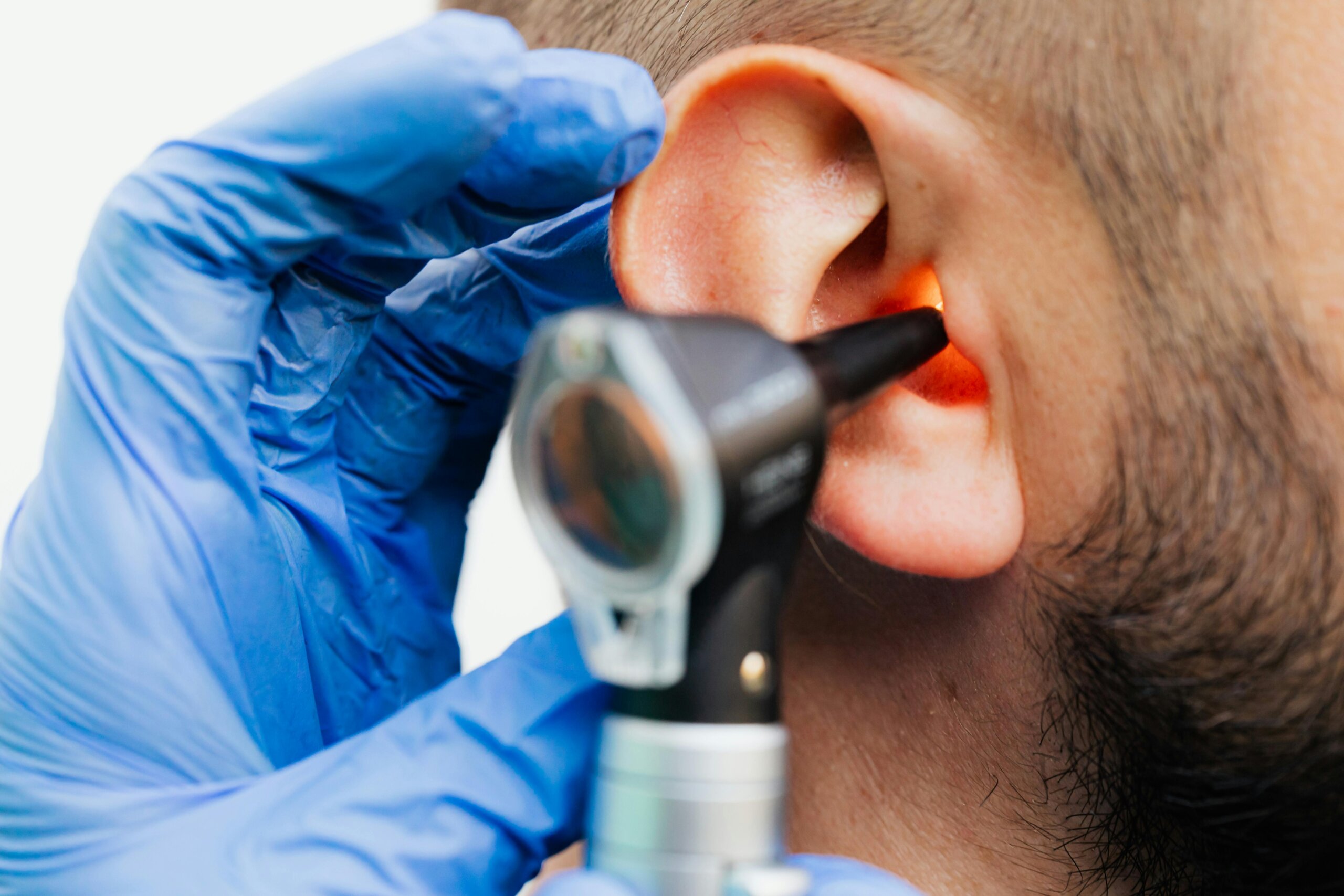
If you have booked a hearing test, you may be wondering whether you need to have your ears checked for wax beforehand. Ear wax is normal and helps protect your ear canals, but a build-up can sometimes block the ear and affect your hearing.
In some cases, removing excess ear wax before a hearing assessment can help ensure the healthcare professional can examine your ears properly and carry out the appropriate tests.
If your ears feel blocked or your hearing seems muffled, understanding when to seek professional ear wax removal can help you take the next step.
At Excel Physiotherapy in Upminster, Essex, we offer professional ear wax removal for people experiencing troublesome build-up.
Can Ear Wax Affect a Hearing Test?
Yes. A build-up of ear wax can block the ear canal and cause temporary hearing difficulties. It can also prevent a healthcare professional from examining the ear properly.
The National Institute for Health and Care Excellence (NICE) recommends removing ear wax when it contributes to hearing loss or other symptoms, or when it needs to be cleared to allow an examination of the ear or an impression of the ear canal to be taken.
This is important because hearing difficulties are not always caused by wax alone. A hearing assessment may be needed to investigate whether another issue is affecting your hearing.
If wax is obstructing the ear canal, it may need to be removed before the hearing professional can complete the necessary examination or testing.
How Do You Know If You Have Too Much Ear Wax?
Ear wax usually moves out of the ear naturally, so not everyone needs it removed.
However, if wax builds up and becomes impacted, you may notice symptoms such as:
- A blocked or full feeling in one or both ears
- Muffled hearing or difficulty hearing clearly
- Earache or discomfort
- Ringing or buzzing in the ears, known as tinnitus
- Dizziness or vertigo
These symptoms can have other causes, so it is important not to assume that ear wax is responsible.
If you have persistent symptoms or are concerned about changes in your hearing, seek advice from an appropriate healthcare professional.
The NHS provides further information about ear wax build-up and its symptoms.
Should You Have Ear Wax Removed Before Your Hearing Test?
Whether you need ear wax removal before a hearing test depends on how much wax is present and whether it is affecting your ear canal or hearing.
If your ears are clear and you have no troublesome wax build-up, you may not need any treatment beforehand.
However, if wax is blocking the ear canal, a healthcare professional may recommend removal before completing your hearing assessment.
Some audiology services specifically advise patients to have wax removed before their appointment if their ears are blocked. For example, Chelsea and Westminster Hospital NHS Foundation Trust explains that wax can affect hearing test results and advises patients with blocked ears to seek wax removal before their appointment.
If you have already booked a hearing test, check the instructions provided by your audiology service. If you think you have impacted wax, contact the service to ask whether you should arrange removal beforehand.
Can Ear Wax Cause Temporary Hearing Loss?
Yes. Impacted ear wax can cause temporary hearing loss by obstructing the ear canal.
You might notice that sounds seem quieter, conversations are harder to follow or one ear seems different from the other.
If wax is responsible, removing the blockage may help improve your hearing. However, this is not guaranteed, because hearing difficulties can have several causes.
If your hearing does not improve after appropriate wax removal, you may need further assessment to identify the reason.
Important: Sudden hearing loss should not be assumed to be caused by ear wax. Seek urgent medical assessment if your hearing suddenly deteriorates, particularly if it happens over three days or less. Do not delay getting help while trying ear drops or arranging a routine wax removal appointment.
Can You Remove Ear Wax Yourself Before a Hearing Test?
You may be able to manage some ear wax build-up at home, but it is important to use appropriate methods.
The NHS advises that olive or almond oil drops can help soften ear wax. Almond oil should not be used if you have an almond allergy, and you should not use ear drops if you have a perforated eardrum.
Avoid inserting cotton buds, fingers or other objects into your ears. These can push wax further into the canal and potentially damage the ear.
Ear candles and ear vacuums are not recommended because there is no good evidence that they remove ear wax.
If your hearing test is approaching and you suspect a significant blockage, do not repeatedly attempt to clear it yourself. A professional assessment can help establish whether wax is present and whether removal is appropriate.
What Is the Best Way to Have Ear Wax Removed Before a Hearing Test?
If ear wax is causing symptoms or preventing an examination, a qualified professional can assess your ears and consider an appropriate removal method.
Depending on your circumstances, options may include microsuction, electronic ear irrigation or manual removal using a suitable instrument.
The NICE guidance recommends that ear wax removal should be carried out by a practitioner with the appropriate training and expertise, using suitable equipment and taking account of any reasons a particular method may not be appropriate.
At Excel Physiotherapy in Upminster, ear wax removal is carried out by highly experienced senior nurses. Microsuction or ear irrigation may be used depending on your individual circumstances.
You do not need to prepare your ears before your appointment, and advice is provided following treatment. If further medical attention is needed, onward referral can be arranged where appropriate.
How Long Before a Hearing Test Should You Have Ear Wax Removed?
There is no single timeframe that applies to everyone. The best time to arrange removal depends on your hearing test date, the amount of wax present and the advice from your audiology service.
If you already know your ears are blocked, it is sensible to contact the service carrying out your hearing test and arrange any recommended treatment in good time.
Avoid leaving it until the last minute if you can help it, as you may need to arrange a separate appointment for ear wax removal.
If you are unsure whether wax is affecting your ears, a professional assessment can help you decide on the next step.
Book Professional Ear Wax Removal in Upminster
If your ears feel blocked, your hearing is muffled or you have been advised to clear ear wax before a hearing test, Excel Physiotherapy can help.
Our ear wax removal service in Upminster provides assessment and professional removal using microsuction or ear irrigation where appropriate.
Ear wax removal costs £55. An ear investigation costs £20 if no procedure is required. Home visits are also available, subject to arrangements.
If you have a hearing test coming up and suspect ear wax may be affecting your ears, contact Excel Physiotherapy to discuss your options.
Excel Physiotherapy Clinic
10 Moor Lane, Cranham, Upminster, Essex RM14 1EB
Telephone: 01708 226622
Find out more: Professional ear wax removal in Upminster
Frequently Asked Questions
Can ear wax make a hearing test inaccurate?
Ear wax can block the ear canal and affect hearing. It may also prevent the professional from examining your ears properly. Your audiology service can advise whether removal is needed before testing.
Should I book ear wax removal before seeing an audiologist?
If you know your ears are blocked, check the instructions from your audiology service. You may be advised to arrange removal before your appointment, particularly if wax is preventing an examination or hearing test.
Will removing ear wax restore my hearing?
If impacted wax is the cause of your hearing difficulty, removal may improve it. However, hearing loss can have other causes, so further assessment may be necessary if your hearing does not improve.
How much does professional ear wax removal cost in Upminster?
At Excel Physiotherapy, ear wax removal costs £55. An ear investigation costs £20 if no procedure is required. Contact the clinic for further information or to arrange an appointment.
Can I use cotton buds before a hearing test?
No. Cotton buds can push wax further into the ear canal and potentially cause damage. If you suspect a blockage, ask a healthcare professional about suitable treatment instead.
 Previous Post