
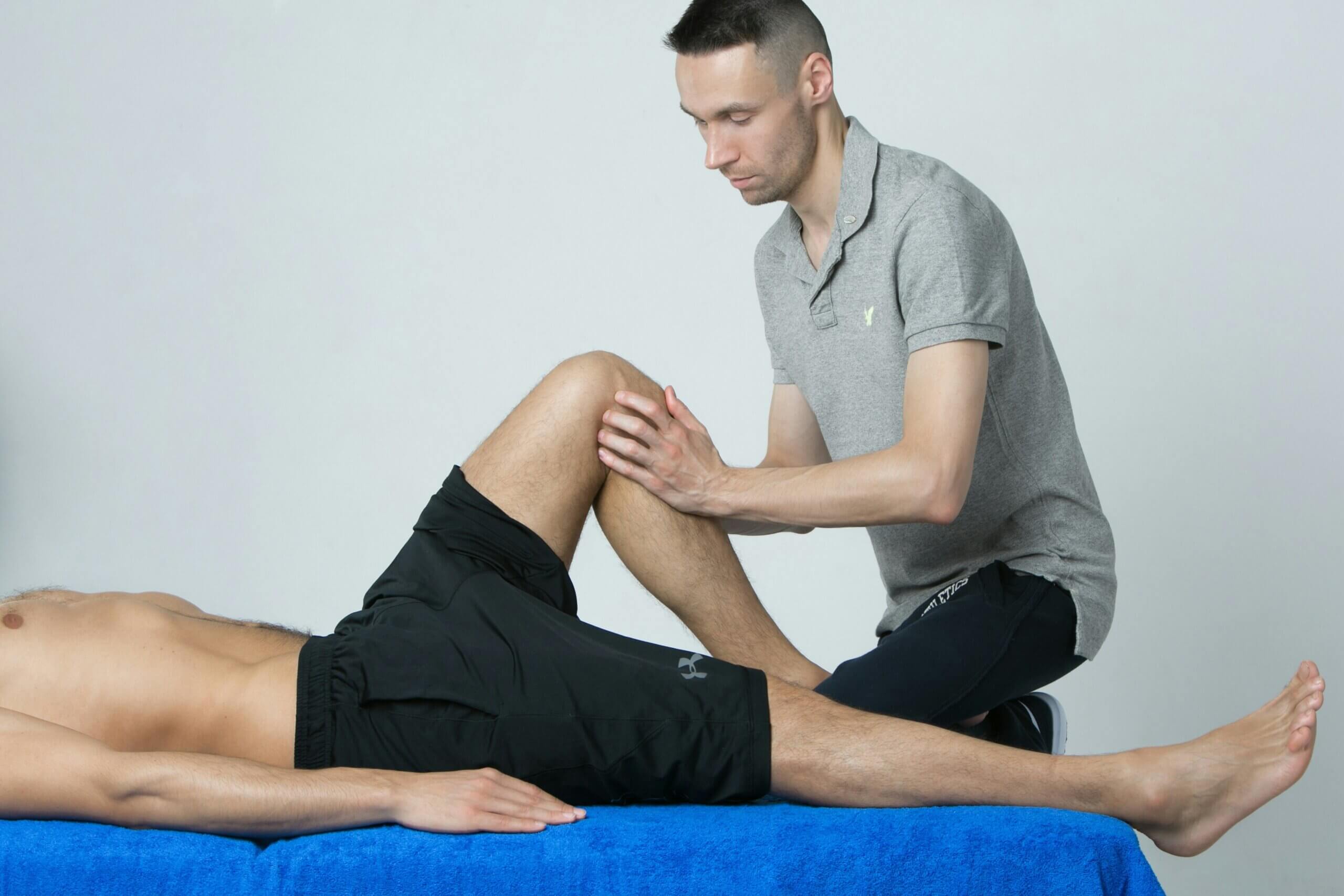
One of the most common questions people search online is “What is physiotherapy and does it actually work?” If you’re living with aches, stiffness, injury or reduced movement, physiotherapy can play a key role in helping you feel and move better — often without medication or surgery.
Physiotherapy is a healthcare profession focused on restoring movement, reducing pain and improving physical function. It’s widely recommended by the NHS and used across hospitals, sports medicine, and private clinics throughout the UK.
What Conditions Can Physiotherapy Help With?
People often ask “Is physiotherapy right for my problem?” The short answer is: probably yes.
Physiotherapy is commonly used to treat:
- Back and neck pain
- Shoulder, knee and hip pain
- Sports injuries
- Muscle strains and ligament injuries
- Sciatica and nerve-related pain
- Postural problems
- Arthritis and joint stiffness
- Recovery after surgery
According to the NHS, musculo-skeletal conditions are one of the most common reasons adults seek healthcare support in the UK.
How Does Physiotherapy Actually Work?
What happens during physiotherapy?
A physiotherapy appointment starts with a detailed assessment. Your physiotherapist looks at:
- Your symptoms and pain history
- How you move
- Joint mobility and muscle strength
- Posture and movement patterns
- Lifestyle and daily activities
From there, treatment may include hands-on manual therapy, tailored exercises, stretching, posture advice and education. The goal is not just short-term pain relief, but long-term improvement and prevention.
Does Physiotherapy Hurt?
Many people worry that physiotherapy will be painful. While some techniques may feel uncomfortable, especially when stiff joints or tight muscles are involved, treatment should never be unbearable.
Any mild soreness is usually short-lived and part of the body adapting to movement again. A good physiotherapist will always work within your comfort level and explain what they’re doing and why.
How Many Physiotherapy Sessions Will I Need?
This is one of the most searched physiotherapy questions online.
The number of sessions depends on:
- The type and severity of your condition
- How long you’ve had the problem
- Your general health and activity level
- How consistently you follow your exercise programme
Some people feel improvement within 1–3 sessions, while long-standing or complex conditions may need several weeks of treatment. Physiotherapy is not about endless appointments — it’s about measurable progress.
Is Physiotherapy Better Than Rest or Painkillers
Rest and painkillers can help temporarily, but they don’t address the underlying cause of pain. Physiotherapy focuses on restoring movement, improving strength and correcting faulty mechanics.
Research consistently shows that active rehabilitation, guided by a physiotherapist, is more effective than rest alone for most musculo-skeletal conditions.
Do I Need a GP Referral Physiotherapy?
For private physiotherapy, the answer is usually no, you can self-refer directly. This allows faster access to care and avoids long waiting times. Some insurance providers may require a referral, so it’s always worth checking.
Why Choose Musculo-Skeletal Physiotherapy?
Musculo-skeletal physiotherapy focuses specifically on muscles, joints, tendons and ligaments. It’s ideal for pain that affects daily movement, work, sport or quality of life.
A qualified physiotherapist uses evidence-based techniques and ongoing assessment to ensure treatment is safe, effective and tailored to you.
Final Thoughts
Physiotherapy isn’t just for injuries, it’s for anyone who wants to move better, reduce pain and protect their long-term health. By addressing the root cause of pain, physiotherapy helps you regain confidence in your body and avoid future problems.
 Previous Post
 Next Post